The watch that catches your eye in a photograph is not always the one you will want to wear through a working day. A prominent bezel can be part of the attraction, yet feel too conspicuous with your usual clothes. A compact case may look understated in a close-up and turn out to be exactly the proportion you wanted. Before comparing factory names, decide what a watch needs to contribute to your routine.
Choosing a replica Rolex becomes easier when you separate three decisions: the size and appearance you enjoy, the functions you will use, and the particular version you are buying. Start with fit, narrow the choice by design, then examine the movement and order details. That sequence gives each specification a purpose.
Start With the Hours When You Will Actually Wear It
Office Clothes and Shirt Cuffs
If you regularly wear a buttoned cuff, look beyond the diameter printed in the title. The side profile, crystal height and clasp bulk all deserve attention. Compare those features with a watch that already fits beneath your sleeve. A front-facing photograph cannot show whether a case will catch on the cuff as you move.
Within the Datejust family, bezel and bracelet choices also change the visual effect. A fluted bezel creates a different pattern of reflections from a smooth one, while a Jubilee-style bracelet has a different link pattern from an Oyster-style bracelet. Decide whether you want that detail to attract attention or prefer a quieter combination.
Casual Clothes and Long Days
For a watch you expect to leave on all day, bracelet fit deserves as much attention as the dial. Look at removable links, available clasp adjustment and how the bracelet bends away from the case. A watch that shifts around your wrist can feel different from the same watch properly sized. Ask what adjustment hardware the supplied version actually includes.
A Submariner-style design is worth comparing if you like prominent hour markers and a marked sports bezel. Decide separately whether you want a date window. The date version offers that information at a glance; the no-date layout may appeal if you prefer the appearance without a date aperture and magnifier.
Following Time in Another Country
A GMT display has a clear purpose if you regularly check the time where family, colleagues or clients live. Work out which two places you want to track before choosing the watch. Then ask the seller to demonstrate how the relevant hands are set on the exact version. The usefulness of the function depends on its actual operation, not simply the presence of an additional hand.
Compare the Tradeoffs Between Four Familiar Styles
Each collection offers a different balance of appearance and information. These are design comparisons; dimensions and operating features must come from the particular replica listing.
| Style | Main appeal | Choice to make | Start here if |
|---|---|---|---|
| Datejust | A date display with several case, bezel and bracelet combinations. | Smaller or larger proportions, and restrained or more reflective detailing. | You want to compare a compact option for office and casual clothes. |
| Submariner | A sports bezel and prominent dial markers. | Date convenience versus your preference for the no-date layout. | You enjoy the visual presence of a sports watch. |
| GMT-Master II | A second time-zone display and recognizable bezel combinations. | Whether you need the extra display and understand the supplied setting mechanism. | You follow time in two places or particularly like the GMT design. |
| Daytona | A three-subdial chronograph layout. | Whether you enjoy the denser dial and which timing functions must work. | The chronograph appearance is central to your preference. |
This is a way to eliminate unsuitable choices. If you want a compact watch and have no interest in timing events or another time zone, begin with time-and-date models. If a particular GMT or Daytona dial is the reason you want the watch, keep it on the shortlist and investigate its fit rather than choosing a simpler model you do not enjoy looking at.
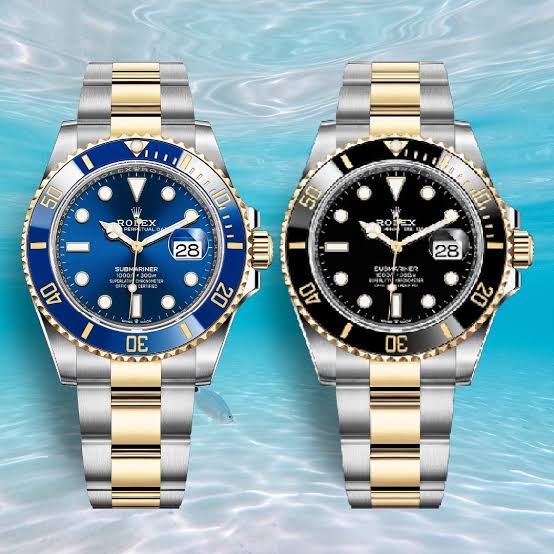
A Datejust 36 and Submariner 41 Comparison That Makes the Decision Clearer
Consider two specific listings: the VSF Datejust 36 with a black dial and fluted bezel, and the VSF Submariner 126610LN with a black dial and black ceramic bezel. Both were listed with a VS3235 movement and date display when checked on October 30, 2026.
| Detail | VSF Datejust 36 black dial | VSF Submariner 126610LN |
|---|---|---|
| Case diameter | 36 mm | 41 mm |
| Case thickness | 12 mm | 12.25 mm |
| Listed movement | VS3235 automatic | VS3235 automatic |
| Time and date | Hours, minutes, seconds and date | Hours, minutes, seconds and date |
| Bezel | Fluted | Unidirectional black ceramic |
| Bracelet description | Stainless steel Jubilee | Stainless steel with diver extension listed |
Source: the corresponding SuperRolex product listings. These are published specifications, not independent measurements or a hands-on performance test.
The useful distinction is the 5 mm difference in listed diameter, together with the bezel and bracelet treatment. The listed thickness difference is only 0.25 mm, so this information alone is not enough to claim that one will slide under a cuff much more easily. Side-profile and wrist photographs would help resolve that question.
For a buyer who already enjoys smaller watches, the Datejust is the logical first candidate to investigate. For someone who prefers a marked sports bezel and a larger case presence, the Submariner is the more relevant starting point. Since both listings describe time-and-date operation and the same movement designation, the initial decision can focus on proportions and design. That shared designation does not establish identical measured performance between individual watches.
You can use SuperRolex as a starting point to compare these collections and open the specific listings behind your shortlist. Record each candidate’s case size, movement and functions together. Keep the exact product title with those notes so that a similar-looking version does not accidentally replace the one you intended to compare.
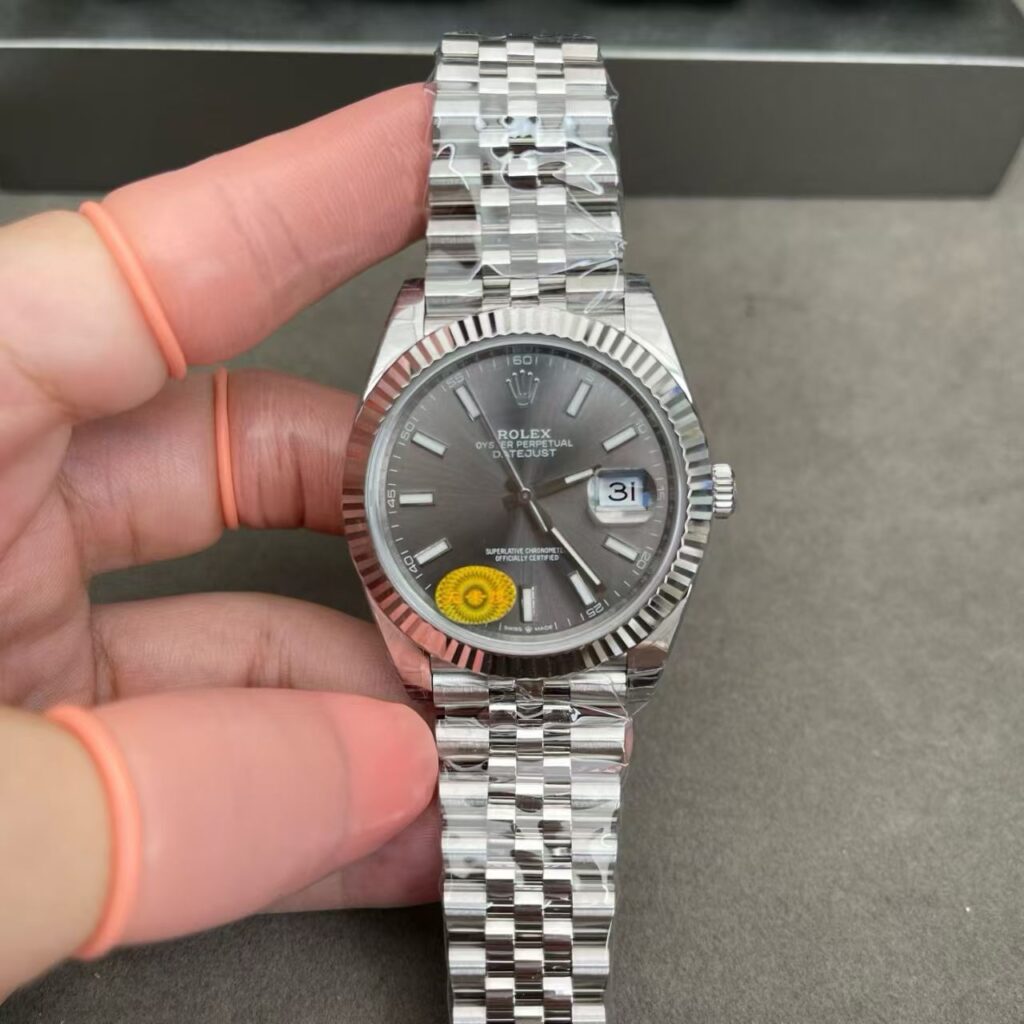
Judge a Rolex Replica by Proportions as Well as Diameter
Two watches with the same nominal diameter can look different because the visible dial opening, bezel width and case outline differ. The distance from the upper lugs to the lower lugs also helps explain how a case occupies the wrist. Where that measurement is unavailable, request a clear wrist photograph with the wearer’s wrist circumference stated.
Use photographs taken from a normal viewing distance alongside close-ups. A tightly framed photograph is useful for inspecting printing, but a poor basis for deciding how large the watch will look with a shirt or jacket. If you own a comfortable watch, compare its proportions and bracelet fit rather than relying on a universal wrist-size rule.
Bracelet style is a separate choice from bracelet quality. A link pattern you prefer does not tell you whether the edges are well finished or whether the clasp adjustment suits you. An open-clasp image and a clear explanation of sizing provide more useful information than a general promise of comfort.
Match the Movement to the Functions You Expect
Time and Date
For straightforward daily use, establish the actual movement designation and obtain the setting instructions for that version. The VS3235 label in the comparison above connects the listing to its claimed movement configuration. It does not, by itself, supply a tested accuracy figure, maintenance interval or guarantee of serviceability.
If the seller supplies timing results, establish that they belong to the allocated watch and ask about the test conditions. Treat them as evidence of that measurement. Avoid turning one reading into a prediction of how the watch will perform in every position or throughout ownership.
A Second Time Zone
For a GMT model, a video should demonstrate the setting sequence, including which hand moves independently and how the date changes. A clip of the watch simply running does not answer those questions. Request instructions for the supplied movement rather than assuming that an original Rolex instruction sequence applies unchanged.
Chronograph Timing
For a Daytona-style replica, ask which subdials are functional and request a start, stop and reset demonstration. The video should make the relevant hands visible. If you want the watch mainly for its appearance, that is still a valid preference, but decide whether a non-working advertised function would be acceptable before ordering.
Extra functions are worth paying for when they contribute to your use or enjoyment. A more complicated dial is not automatically a better everyday choice, and a simpler display is not automatically the right choice for every buyer.
Use Photos to Resolve the Remaining Questions
Once the shortlist is down to two watches, ask for evidence that distinguishes them. You rarely need another set of almost identical front-facing images.
- Unsure about sleeve clearance? Request a side profile showing the case and crystal.
- Unsure about bracelet sizing? Request an open-clasp image and confirmation of removable and spare links.
- Unsure about a dial detail? Request a straight-on image in clear lighting, followed by a second angle if reflections obscure it.
- Unsure whether a function works? Request an operating demonstration of that function on the supplied version.
Distinguish representative listing photographs from images of the watch allocated to your order. A picture of another unit can explain a design, but cannot establish the condition of yours. Where a page mixes bracelet or dial configurations, obtain written confirmation of the exact combination before paying.
Compare the Full Offer Before Choosing on Price
Compare like-for-like versions first. A price difference may reflect a different movement, bracelet, finish or included service, but the difference should be identifiable. A premium that cannot be connected to a feature you value is not a useful reason to stretch your budget.
For a US order, separate processing time from transit time and establish when each begins. Check what happens if the selected version is unavailable and whether you can decline a proposed substitution. Include any separately charged shipping and accessories in the comparison.
Read return and movement-support terms before sizing the bracelet or removing protective materials. Establish how an incorrect or defective item is reported, who pays return postage and where service would take place. Keep the agreed configuration and terms with the order record.
A Final Check Before Placing the Order
A useful buying decision should leave you able to answer five questions:
- Why does this case size and style suit the way I plan to wear it?
- Which exact dial, bracelet and version am I ordering?
- Which functions matter to me, and what evidence confirms their operation?
- What is the complete price and the expected processing and shipping sequence?
- What happens if the delivered watch differs from the agreed order?
If one answer is missing, send a focused message naming the listing and the unresolved detail. Asking whether a watch is “the best version” invites a broad reply. Asking for the clasp arrangement or a GMT-setting demonstration gives the seller a specific question to answer.
Questions About Choosing an Everyday Watch
Why can two 40 mm watches look different on the wrist?
Diameter describes only one dimension. Bezel width, dial opening, lug shape and bracelet end-link extension affect the overall proportions. Compare a wrist view as well as the listed measurement.
Why do I need a side photograph if the dial image is clear?
The side view helps you assess case and crystal height, crown projection and the transition to the bracelet. Those details are difficult to judge from a dial photograph and matter when considering sleeve clearance.
What if I like the Daytona design but rarely use a timer?
Prioritize whether you enjoy reading the dial, the case proportions and bracelet fit. Still establish which functions operate so that you know what the price includes and what condition you expect on arrival.
What if a product title and its bracelet photographs disagree?
Ask the seller to identify the bracelet supplied with the exact order and confirm it in writing. Keep that confirmation with the listing; do not select a version solely from a gallery containing several configurations.
Does a sports design mean I can swim with the watch?
No. Appearance and dial inscriptions do not establish the supplied watch’s water resistance. Ask for relevant pressure-test evidence for that unit and written permitted-use guidance. Without suitable confirmation, keep it out of water.
Choose the Version You Can Explain
A good reason to choose a replica Rolex is specific: you prefer the smaller proportions, want the date display, enjoy a particular bezel, or will use a demonstrated second time zone. Begin with those preferences, verify the exact configuration and settle the order terms. You will finish with a watch selected for your routine rather than a collection of impressive phrases from a product title.