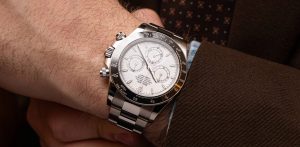
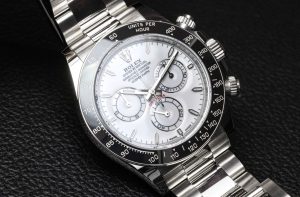
The Daytona is recognised for its balanced chronograph layout, racing inspired bezel and clean 40mm profile. This detailed look explains which design details matter most when comparing a replica version in the UK.
The Rolex Cosmograph Daytona has never needed a loud design to attract attention. Its appeal comes from the way several small details work together: the three evenly spaced sub dials, the slim tachymeter scale, the screw down chronograph pushers and the familiar Oyster style bracelet. That combination gives the watch a sporty character without making it difficult to wear with everyday clothing.
For UK buyers considering a replica, the important distinction is between a watch that simply copies the general outline and one that gets the proportions, dial printing and bracelet feel right. A low price can look attractive at first, but poor alignment, a noisy movement or a badly finished clasp usually becomes obvious within a short time. This is why a sensible comparison should begin with the details rather than a seller’s claim about being the best or most accurate model.
NewSwissRolex.me is a UK focused site covering replica Rolex watches UK with an emphasis on recognisable designs and practical buying information. The watches discussed here are replicas, not genuine Rolex products, and the site is not affiliated with Rolex SA.
The Daytona design in plain terms
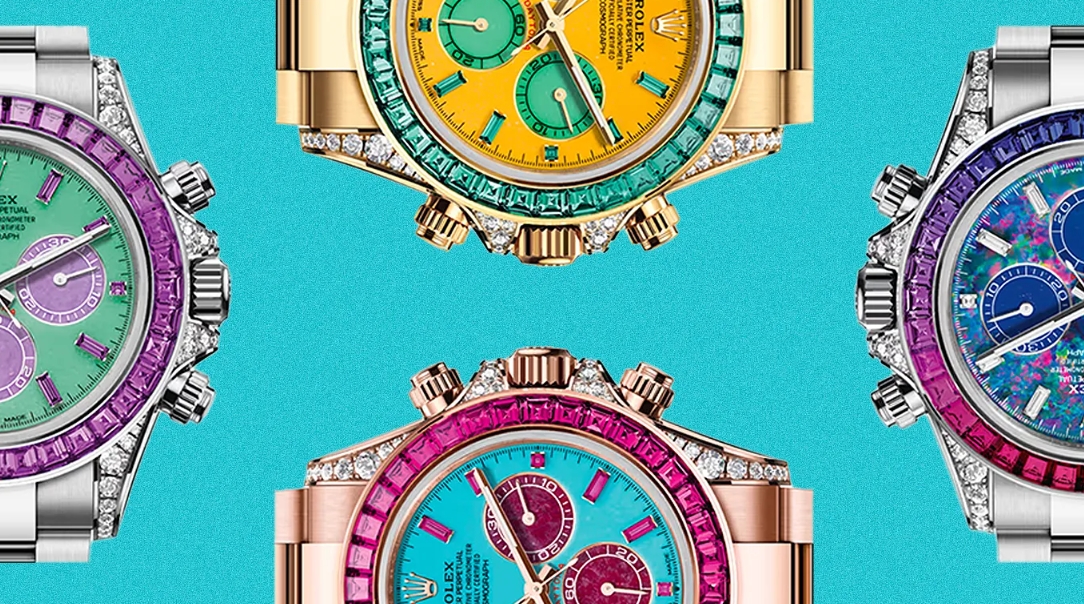
The classic Daytona formula is easy to describe but surprisingly difficult to reproduce well. A round case houses a three register chronograph, with the running seconds, minute counter and hour counter arranged to keep the dial visually balanced. The outer scale is used to read speed against elapsed time, although many owners value it more for the identity it gives the watch than for regular track calculations.
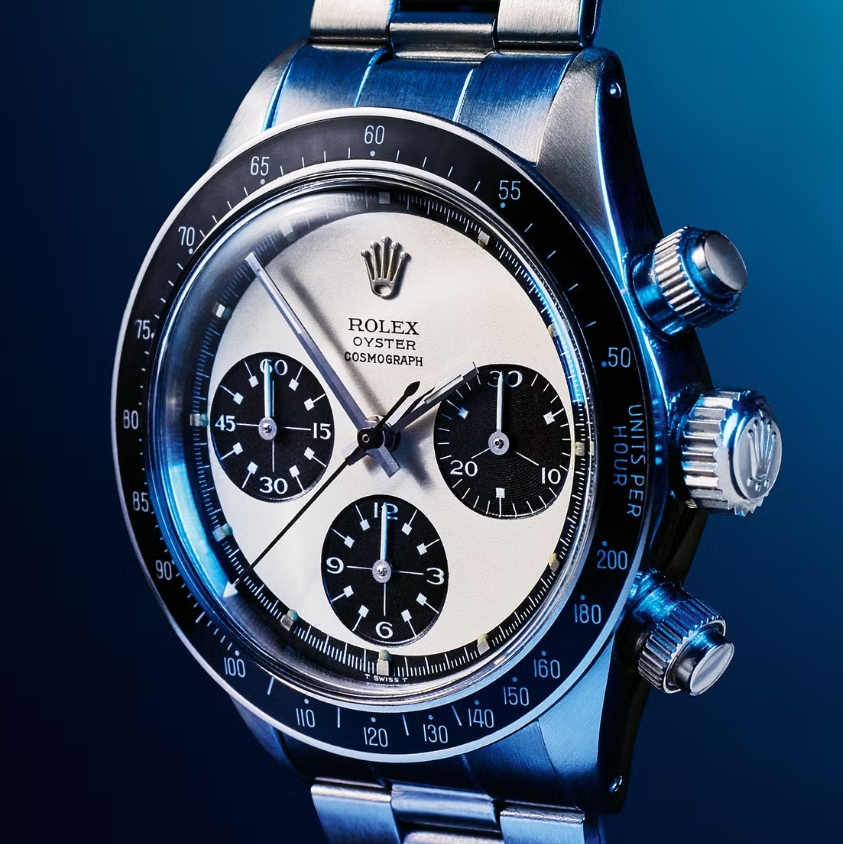
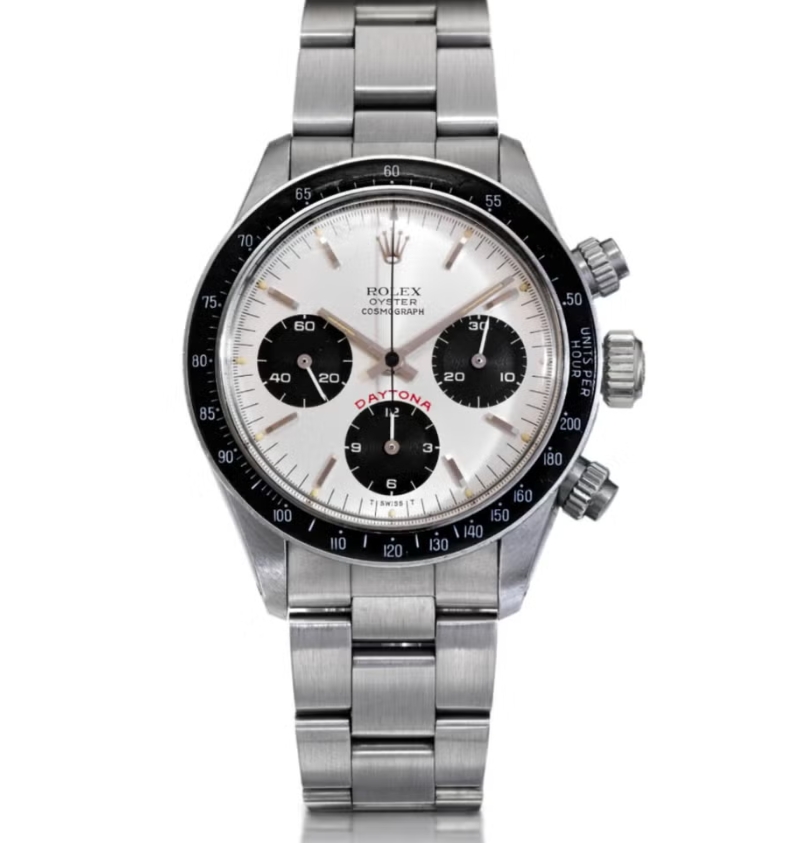
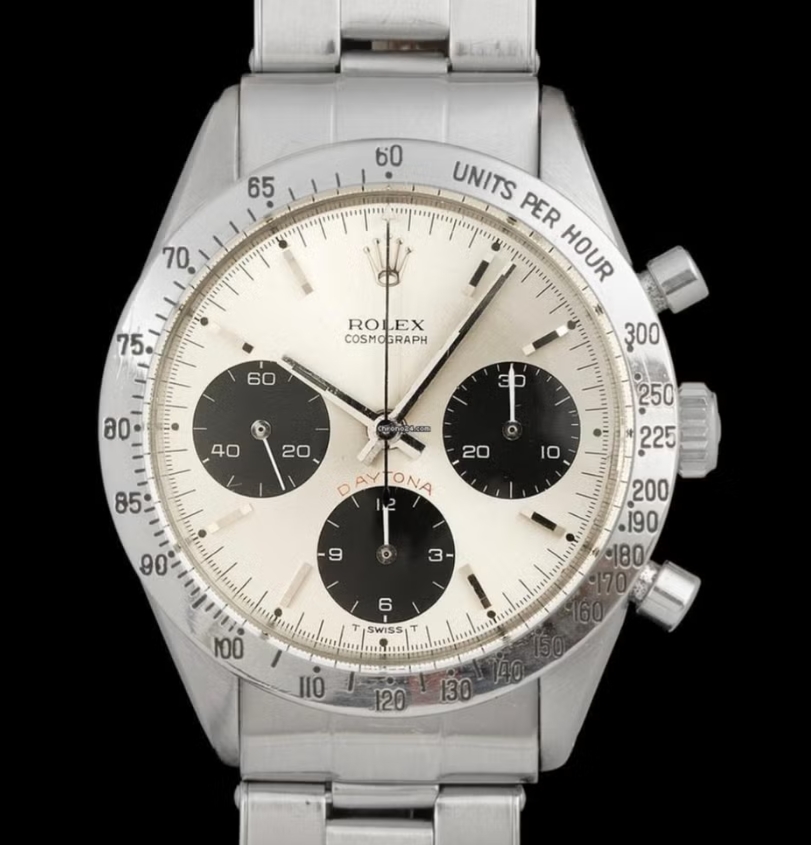
Modern steel versions normally use a black ceramic bezel with a contrasting tachymeter scale. Earlier steel models used a metal bezel, while vintage references are known for acrylic bezels and more varied dial designs. That history matters when comparing a replica because a seller may use one reference number while showing details from another. The bezel material, dial layout and bracelet should belong to the same design generation.
Case proportions that deserve attention
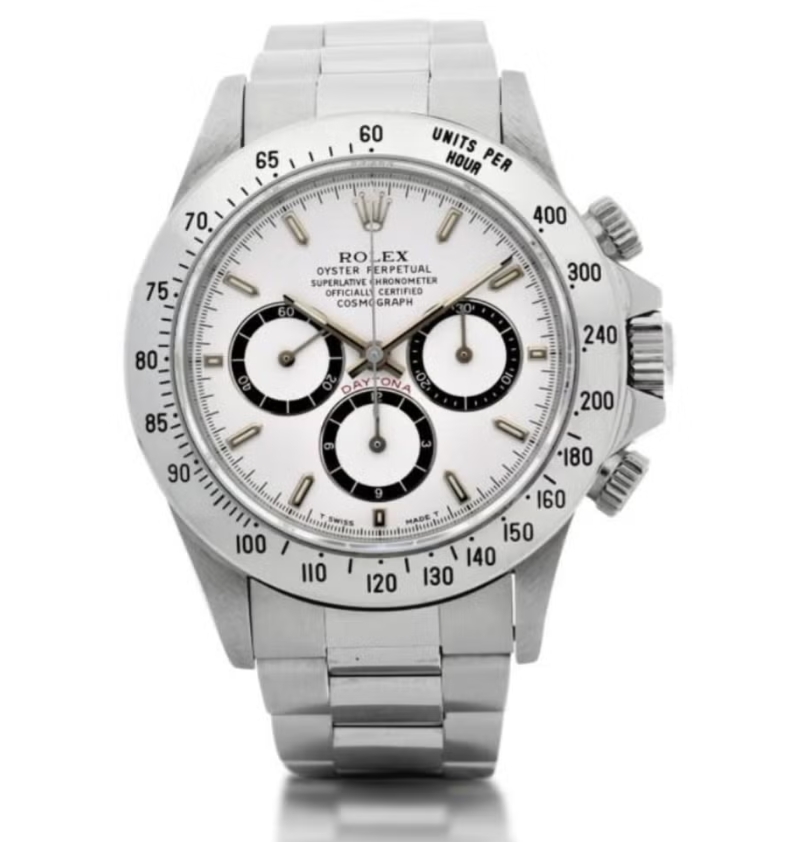
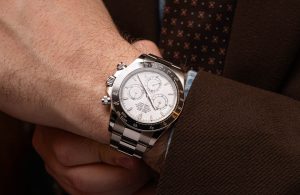
A convincing Daytona replica should look compact and composed on the wrist. The case is commonly listed at 40mm, but the number alone tells only part of the story. Lug shape, bezel width and the relationship between the dial and the case can make two watches with the same stated diameter appear very different.
Start by checking the transition from the lugs into the bracelet. The lugs should not look excessively thick or abruptly cut. The polished and brushed surfaces also need a clear separation. On a well finished example, the top of the lugs catches light differently from the sides, while the edges remain reasonably crisp. Overly rounded edges, uneven brushing and mirror polishing across every surface are common signs that less attention has been paid to the case.
The crown guards and chronograph pushers should sit evenly on both sides. Pushers that appear too tall, too close to the crown or poorly centred can change the whole character of the watch. Water resistance claims should be treated carefully, since a replica should not be assumed to have the same protection as an authentic Rolex without independent testing.
Dial printing and chronograph layout
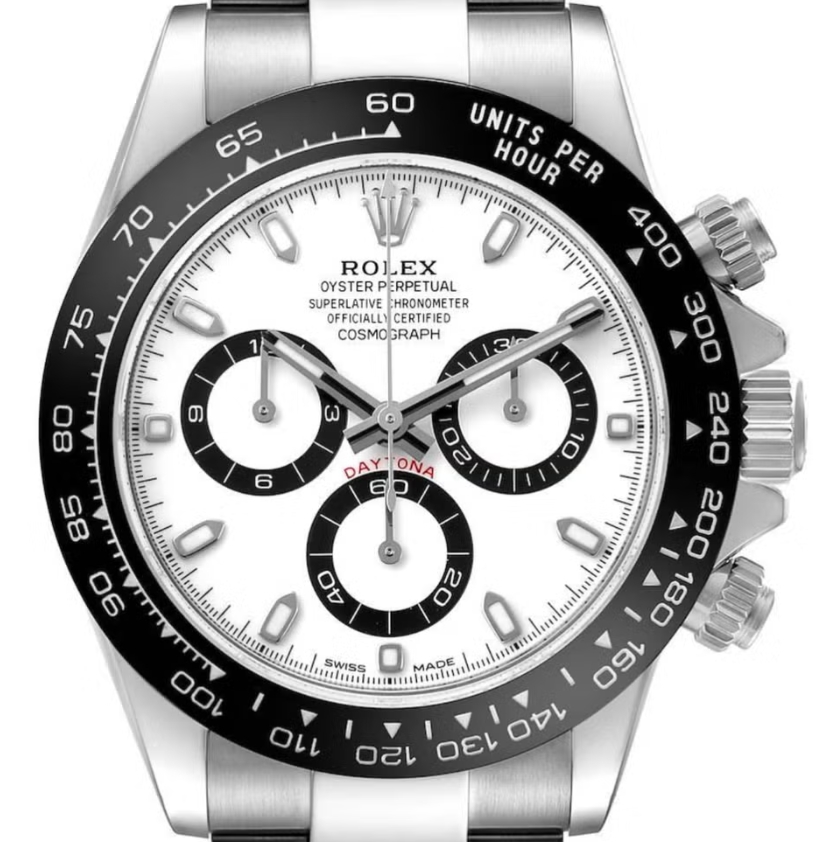
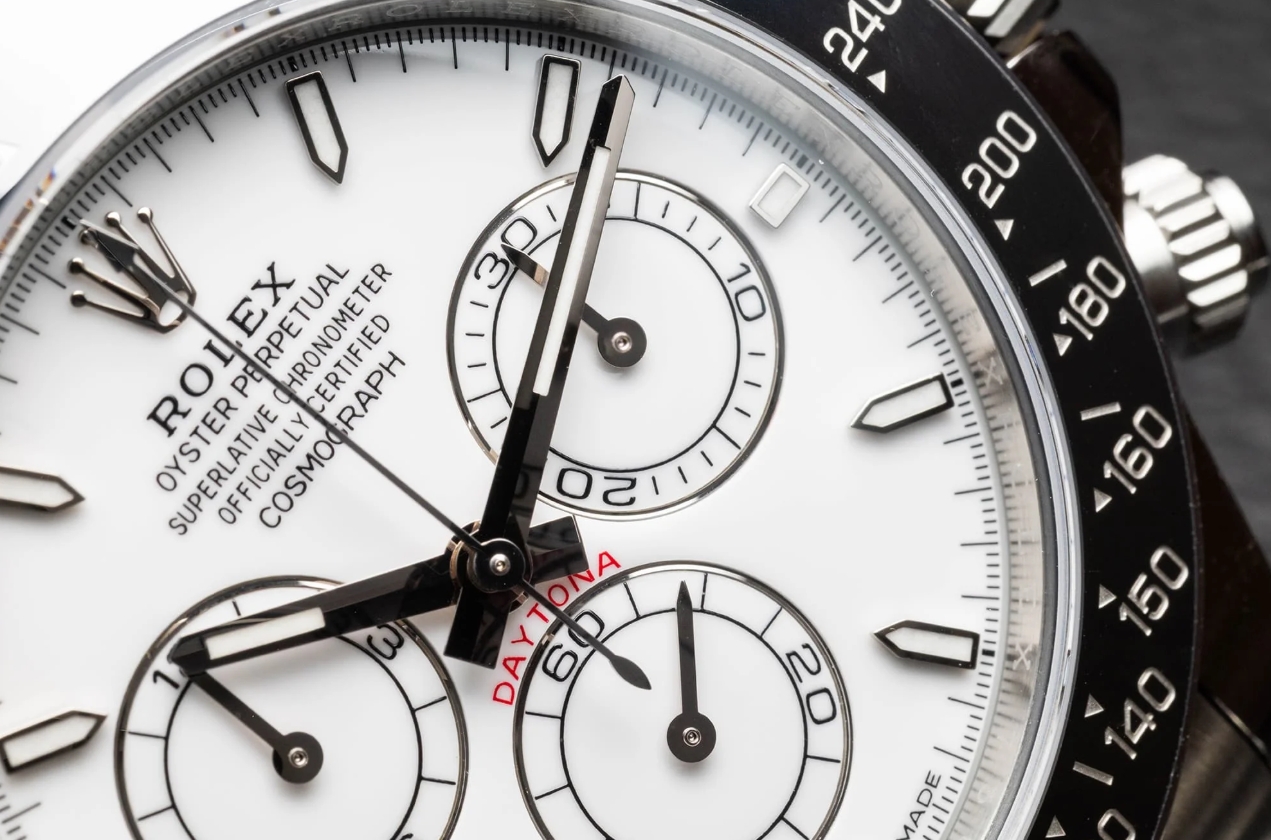
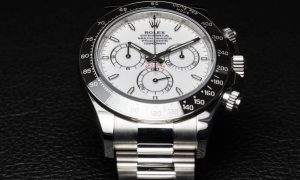
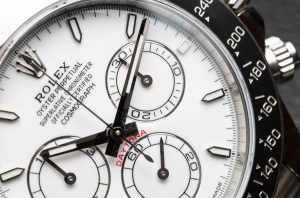
The dial is where many inexpensive replicas reveal their limitations. Look closely at the Rolex crown, model lettering, minute track and the text around the sub dials. The printing should be sharp, evenly spaced and aligned with the centre of the dial. If the letters look heavy, fuzzy or slightly tilted in close photographs, the problem will be more noticeable in person.
Sub dial spacing is just as important as the text. The three counters should sit at the correct height and distance from the centre pinion. Their rings should be consistent, and the hands should reach the relevant tracks without looking too short. On a high quality Replica Rolex Daytona UK model, these elements tend to read as one coherent design. On a weaker version, the sub dials can look crowded or pushed too far towards the edge.
Colour deserves a separate check. A black dial should not appear grey under ordinary lighting unless the photograph is heavily edited. White dials should look clean rather than chalky, while gold tone details should have a restrained finish instead of an overly yellow appearance. Requesting clear photographs in natural light is more useful than relying on a product title filled with terms such as super clone, AAA or top quality.
Bezel and bracelet details
The ceramic bezel is one of the strongest visual signatures of the current Daytona style. Its scale should follow the curve of the bezel without looking too deep or too bright. Numerals need to be clean and consistently positioned. On some replicas, the scale is printed too close to the edge or the font is noticeably heavier than it should be.
The Oyster style bracelet should feel firm without being stiff. Links ought to move smoothly and sit flush when the watch is laid flat. Check the centre links for an even polished finish and the outer links for straight brushing. The clasp should close with a positive action, without excessive side to side play. These practical points matter because a bracelet that feels loose can make an otherwise attractive watch seem much cheaper.
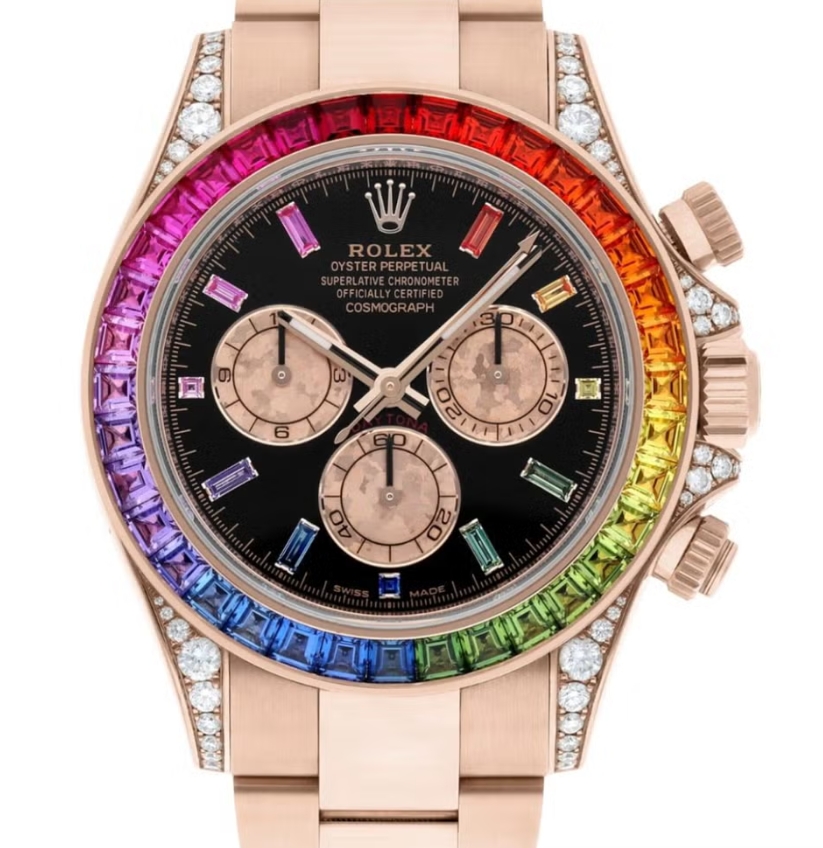
Wrist size should also guide the decision. A 40mm case usually suits a broad range of wrists, but the lug to lug length and bracelet taper affect comfort. UK buyers who prefer a discreet everyday watch may find a steel and black dial combination easier to wear than a bright two tone or gem set design.
Movement choices and daily use
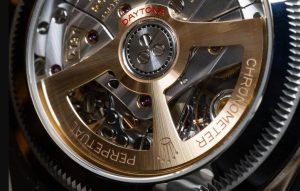
Movement descriptions deserve more attention than marketing language. A replica Daytona may use a basic automatic chronograph, a quartz module or a movement designed to imitate the appearance of a more complex calibre. Each option brings a different balance of cost, accuracy, serviceability and thickness.
A basic automatic movement can be suitable for casual wear if it starts reliably and keeps reasonable time, but it may not offer the same chronograph behaviour as the genuine watch. Some low cost models also use non functional sub dials or a simple display arrangement. Anyone who expects the stopwatch functions to work should confirm exactly which counters operate before ordering.
Ask for the movement name, a real movement photograph and information about servicing rather than accepting a vague statement that the watch has a Swiss movement. The seller should also explain the power reserve, winding method and whether replacement parts are available. For a replica, long term service support is often more valuable than a dramatic accuracy claim.
A practical buying checklist for UK readers
Before choosing a replica, compare several listings for the same visual reference. Do not compare a ceramic bezel model with a metal bezel model simply because both are called Daytona. Product photographs should show the dial straight on, the case from the side, the clasp open and the movement if the seller is making a movement specific claim.
- Confirm the stated case diameter, thickness and lug to lug measurement.
- Check that the bezel, dial, hands and bracelet belong to the same reference style.
- Ask whether the chronograph counters are functional or decorative.
- Request clear photos of the actual watch rather than only catalogue images.
- Review delivery times, return terms, customs responsibility and payment security.
- Keep the budget realistic and avoid claims that promise genuine Rolex performance at replica prices.
It is also sensible to check the rules that apply to importing replica goods into the UK and to avoid any seller who suggests removing branding, disguising a parcel or misrepresenting the item to customs. A transparent seller should describe the watch as a replica and provide straightforward information about the transaction.
Reference styles worth comparing
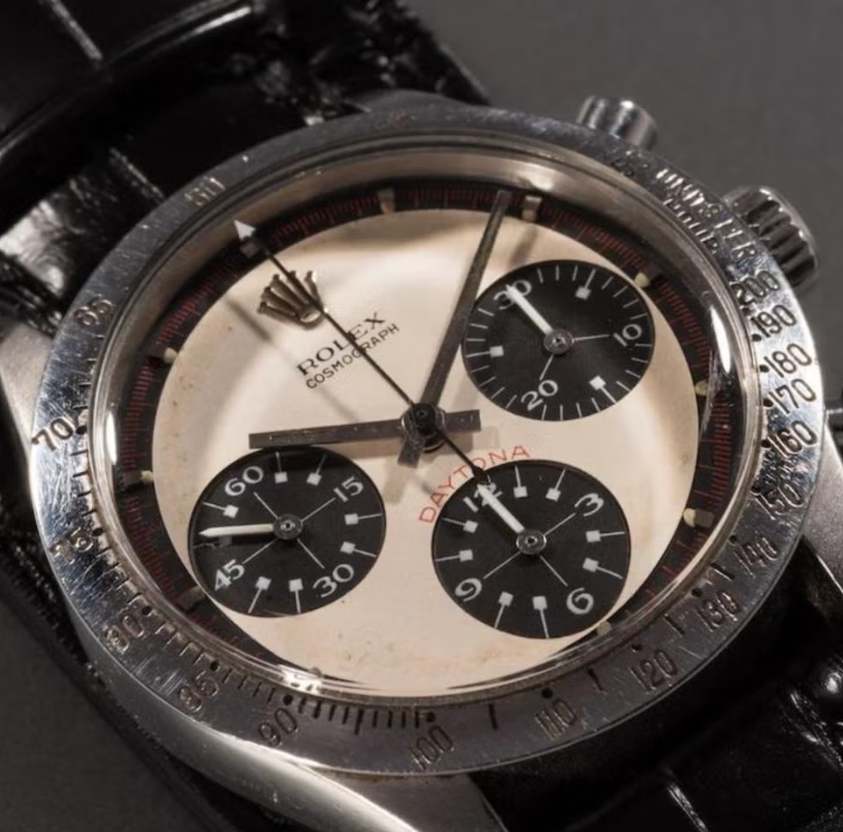
Collectors often compare the steel and black ceramic style with the white dial version because the differences are easy to see. The black dial usually feels more understated and hides small marks, while the white dial creates stronger contrast around the sub dials and can make the watch look brighter on the wrist. Two tone versions add warmth but require closer inspection of the gold tone and the transition between polished and brushed surfaces.
Vintage inspired Daytona replicas are a different proposition. Acrylic bezel details, pump style pushers and older dial layouts create a more retro appearance, but they should not be judged against a current ceramic model. If the aim is a modern daily watch, the current case and bracelet profile will usually make more sense. If the attraction is the history of the racing chronograph, an older style may offer more character even when its specifications are simpler.
Final assessment
The strongest replica Daytona is not necessarily the one with the longest specification sheet. It is the one that keeps the proportions believable, aligns the dial correctly, finishes the bracelet neatly and gives an honest account of its movement and limitations. Those qualities are easier to verify through detailed photographs and clear seller communication than through labels such as perfect, mirror quality or Swiss grade.
For readers comparing Rolex Daytona replica watches, the best starting point is a single reference and a short checklist. Compare the case, bezel, dial, bracelet and movement in that order, then consider comfort, after sales support and the legal position of importing replicas into the UK. A careful decision produces a more satisfying everyday watch and avoids the disappointment that comes from buying a product based only on a low price or an exaggerated promise.